As a nurse, I’ve seen firsthand how our environments affect our physical and emotional health. Whether it’s the chaos of a hospital floor or the clutter of a busy home, the spaces we live in can either support our wellbeing — or drain it.
The good news? You don’t have to overhaul your entire home to create peace. Small, intentional changes can help lower stress, boost mood, and even support better sleep and focus.
Here are seven simple ways to start transforming your home into a more peaceful and restorative space.
1. Declutter to Clear the Mind
– A cluttered home often leads to a cluttered mind. Start small — maybe your nightstand or kitchen counter.
– Keep only what you use daily or what brings joy.
– Donate or store the rest.
– Try a 10-minute nightly tidy-up for a fresh start each morning.
– Nurse’s Note: Reducing visual clutter lowers cortisol and helps your nervous system relax, especially after long or emotionally heavy days.
2. Bring Nature Indoors
– Adding natural elements is one of the simplest ways to restore calm.
– Add a few low-maintenance plants like pothos or peace lilies.
– Open windows for fresh air and natural light.
– Incorporate natural textures like wood, linen, or stone.
– Why it works: Exposure to nature—even indoors—has been linked to lower blood pressure, improved mood, and better air quality.
3. Let in Light
– Light directly affects our circadian rhythm and energy levels.
– Keep blinds open during the day.
– Use warm-toned bulbs at night.
– Add mirrors to reflect natural light and brighten rooms.
– Nurse’s Tip: Morning sunlight exposure boosts serotonin, helping you start the day calm and focused.
4. Engage the Senses with Sound and Scent
– What we hear and smell shapes how we feel.
– Play soft music, white noise, or nature sounds.
– Use essential oils like lavender, citrus, or eucalyptus.
– Turn off TV noise or phone alerts during quiet hours.
– Evidence shows: Calming sounds and aromatherapy can lower heart rate and blood pressure — a simple form of self-care you can enjoy daily.
5. Create a Calm Corner
– Designate one spot in your home as your personal “reset zone.”
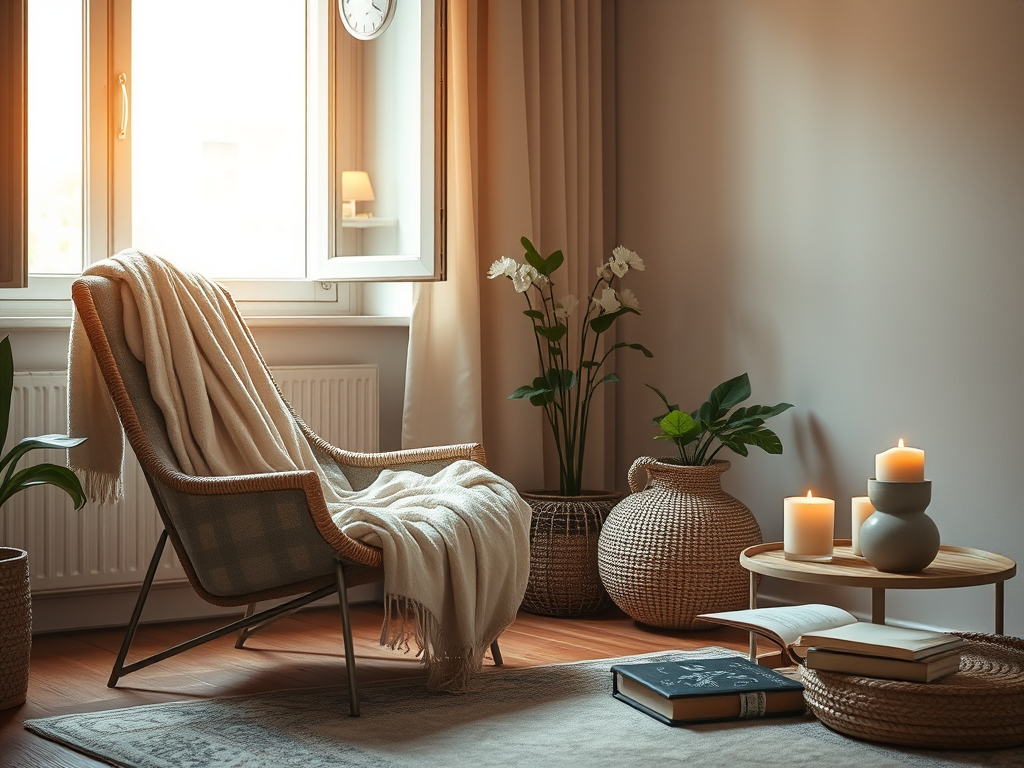
– Include a cozy chair, candle, soft blanket, and journal.
– Make it a screen-free space for prayer, meditation, or stillness.
– Even a small nook can become your go-to spot for grounding and reflection.
6. Prioritize the Bedroom
– Your bedroom should be your sanctuary.
– Remove work devices and clutter.
– Keep lighting soft and temperature cool.
– Use calming fabrics and colors.
– Quick nightly ritual: tidy your space, take a few deep breaths, stretch, and reflect on one thing you’re grateful for.
7. Simplify Visual Noise
– Our brains crave visual rest.
– Choose a soft, cohesive color palette.
– Avoid overly busy patterns or too many decorations.
– Display only meaningful art or photos.
– A peaceful home helps cue your nervous system that you’re safe — allowing your body to truly relax.
Final Thoughts
Transforming your home for peace and wellbeing doesn’t have to be complicated. Start with one drawer, one corner, or one scent. Over time, these small changes build an environment that nurtures calm, creativity, and healing — for you and everyone who enters your space.
Remember: Caring for your home is another form of caring for yourself.